


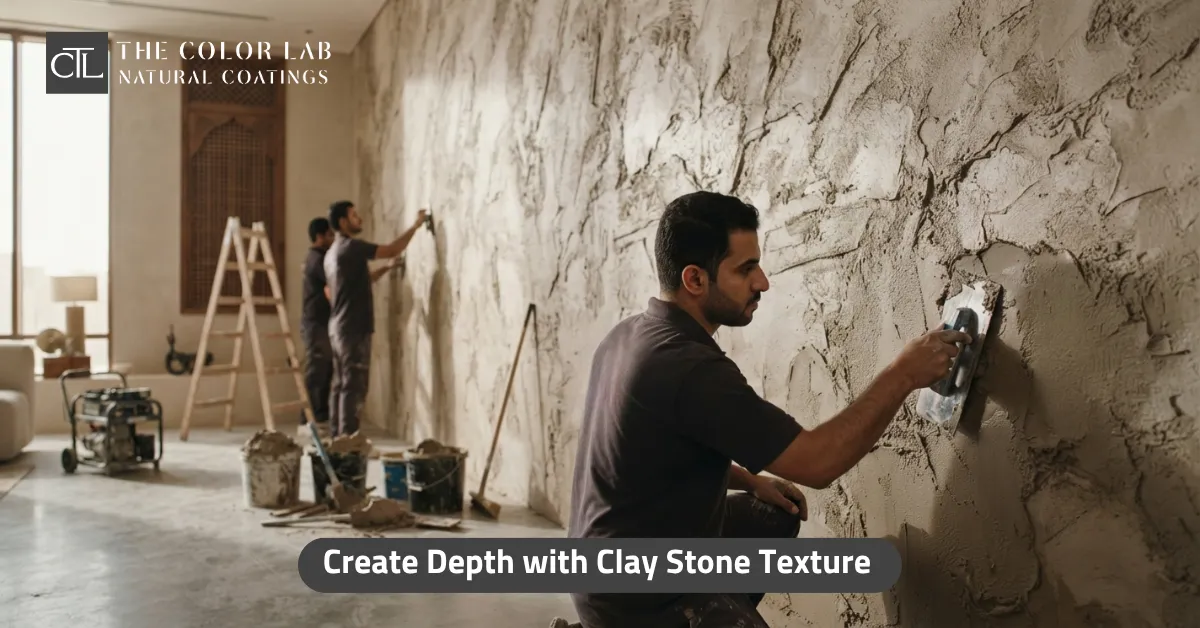
Clay Stone Texture: Natural Texture for Modern Interiors
Some walls do more than complete a room. They give it character.
Clay stone texture combines the earthy warmth of clay with the depth and visual movement associated with stone. The result is a tactile surface that can feel natural, refined and distinctly architectural.
Depending on the material and technique, it can range from soft natural clay texture to expressive stone texture. It suits contemporary interiors, luxury residences and hospitality spaces.
What Is Clay Stone Texture?
Clay stone texture is a decorative surface treatment designed to create a natural, stone-inspired appearance using clay, mineral or compatible finishing materials.
Unlike actual stone, it is applied as a surface finish rather than a solid structural material. This gives designers greater flexibility when developing colour, texture and surface depth.
A clay textured finish may feature tonal movement, handcrafted variation or stronger mineral character.
Key qualities include:
- Earth-inspired colours.
- Tactile variation.
- Matte appearance.
- Layered depth.
- Handcrafted character.
A decorative clay finish can become part of the wider material language rather than simply another wall coating.
Clay Texture vs Natural Stone Texture
A natural stone texture comes directly from the characteristics of stone, while clay-based finishes recreate selected visual qualities through texture, colour and surface variation.
The difference is mainly about material and design character:
- Clay: softer, earthy and adaptable.
- Natural stone: harder, heavier and naturally varied.
- Clay finishes: greater control over texture and colour.
- Application: decorative rather than structural.
The aim is to create a distinctive surface that supports the architectural concept.
Natural Clay Texture: What Makes It Different?
Natural clay texture is appreciated for its quiet, organic character. Instead of looking perfectly uniform, it can reveal gentle changes in tone, movement and texture.
Earth pigments create warm neutrals, beige, sand, ochre and terracotta tones, while a matte surface keeps the look understated.
Light adds another dimension, revealing subtle variations and depth without decorative patterns.
The result can feel raw or polished, depending on the setting.
Clay Wall Texture & Textured Clay Finishes
A carefully developed clay wall texture can change the character of a room without overwhelming it.
Even subtle variation can create depth across a large architectural surface.
Textured Clay Finish
A textured clay finish can be developed according to the desired visual effect:
- Fine: soft movement with a refined, minimal appearance.
- Medium: visible depth with an elegant, versatile character.
- Heavy: stronger relief for expressive feature surfaces.
- Hand-applied: natural irregularity and crafted character.
- Layered: added movement through multiple tones or applications.
The right level depends on the concept, lighting and surrounding materials.
Clay Textured Finish for Feature Walls
A clay textured finish can turn a simple wall into a defining architectural element.
It works well in:
- Living rooms and dining areas.
- Hotel receptions and lounges.
- Restaurants and boutique hospitality spaces.
- Luxury villas.
- Retail environments and showrooms.
It can provide a quiet, considered backdrop.
Clay Texture Wall for Contemporary Interiors
A clay texture wall is not limited to rustic design.
Controlled variation and sophisticated neutral tones can work beautifully in minimalist interiors, modern Mediterranean spaces and wabi-sabi-inspired schemes.
It complements luxury residential projects, natural palettes and clean architectural details.
Stone Effect Finish: Creating a Natural Stone Look With Clay
A stone effect finish can bring the visual depth of natural stone into an interior through layered application, mineral colours and controlled texture.
A refined stone effect wall finish can suit contemporary spaces, while stronger variation can create a more expressive architectural statement.
Stone Effect Wall Finish
A stone-inspired surface works well with other interior finishing materials.
It can feature:
- Soft mineral tones.
- Layered surface movement.
- Subtle imperfections.
- Stronger feature-wall texture.
- Natural transitions between light and shadow.
Samples and project-specific development remain important.
Rustic Stone Effect
A rustic stone effect can introduce rougher texture, earthy colours and visible irregularity. It works naturally with timber, natural stone, linen and other tactile materials.
In hospitality and residential projects, it can feel warm and connected to natural materials, while controlled application gives the concept a contemporary edge.
Decorative Clay Finish for Luxury Interiors
A decorative clay finish can become part of the architectural identity of a luxury interior.
Bespoke feature walls, hand-finished surfaces and controlled tonal variation allow it to respond to each project. It can coordinate with flooring, furniture, lighting and architectural details for each project.
A natural clay surface can sit alongside concrete flooring types, timber, metal or refined stone. It can complement the best flooring for homes when warmth and material continuity matter.
For larger projects, a commercial fit out company can coordinate the finish with lighting and flooring.
Clay Plaster Texture vs Clay Stone Texture
A clay plaster texture and clay stone texture can both create natural, tactile walls, but they communicate different design ideas.
Clay Plaster Texture
Clay plaster often focuses on softness, handcrafted movement and earthy material character.
It can offer:
- Gentle surface variation.
- Greater textural depth.
- Natural, matte character.
- Warm, earth-based tones.
- A relaxed architectural feel.
Clay Stone Texture
A clay stone texture places more emphasis on mineral depth and a stone-inspired appearance.
It can be developed for:
- Rustic feature walls.
- Contemporary interiors.
- Hospitality spaces.
- Luxury residential projects.
- Decorative architectural surfaces.
The choice should follow the intended atmosphere rather than simply the name of the finish.
Natural Mineral Finish & Breathable Wall Finish
A natural mineral finish can support interiors built around authentic materials, restrained colours and matte surfaces.
When specifying a breathable wall finish, however, breathability should never be assumed from the finish name alone. It depends on the complete wall assembly, substrate, product formulation and moisture conditions.
For this reason, project specifications should always be reviewed before application.
The Color Lab also develops its own materials through its dedicated factory, where Clay Plaster and Lime Plaster are manufactured. This in-house capability supports greater control over material development and finish consistency.
For projects exploring sustainable wall materials, this material-focused approach can also help designers create interiors with a stronger connection to natural finishes.
Earthy Wall Texture & Natural Wall Texture for Modern Design
An earthy wall texture can soften modern architecture through warmth and subtle movement.
Popular tones include:
- Sand and beige.
- Warm grey.
- Terracotta.
- Ochre.
- Brown.
- Natural neutrals.
A natural wall texture can pair beautifully with:
- Natural stone.
- Timber.
- Linen.
- Leather.
- Metal.
- Concrete.
- Microcement.
- Terrazzo.
The same palette can also extend beyond walls. For example, durable flooring options can help maintain a practical foundation while the wall finish provides warmth and visual character.
Rustic Interior Texture vs Contemporary Clay Finishes
A rustic interior texture embraces irregularity, stronger surface movement and earthy tones.
A contemporary interpretation uses:
- Refined texture.
- Subtle tonal variation.
- Neutral colours.
- Clean architectural details.
- Minimal visual noise.
This flexibility allows clay finishes to move from raw and expressive to quiet and sophisticated.
Where Can Clay Stone Texture Be Used?
The versatility of clay finishes makes them suitable for many interior applications.
Luxury Residential Interiors
- Living room features walls.
- Bedrooms.
- Entrance halls.
- Dining areas.
- Private villas.
Hospitality
- Hotel lobbies.
- Boutique hotels.
- Restaurants.
- Lounges.
- Wellness spaces.
Retail & Commercial Interiors
Showrooms, premium retail spaces, offices and reception areas can use the finish as a distinctive backdrop without overwhelming the brand environment.
It can sit beside specialist best flooring suppliers when flooring and wall finishes form one palette. Designers may also coordinate with epoxy flooring companies in Saudi Arabia where a technical finish is required.
How to Choose the Right Clay Stone Texture
Choosing the right clay stone texture starts with the design direction.
Consider:
- Smooth or rough texture.
- Subtle or dramatic variation.
- Clay-focused or stone-inspired appearance.
- Natural or controlled movement.
- Existing flooring, wood, stone and furniture.
Lighting also matters. Review samples under daylight, wall-washing and grazing light before making the final selection.
For luxury projects, physical samples and full-size mock-ups can reveal how colour, texture and shadows will behave across a larger surface.
Common Mistakes When Specifying Textured Wall Finishes
Avoid:
- Choosing from photographs alone.
- Ignoring project lighting.
- Selecting unnecessarily heavy texture.
- Overlooking substrate compatibility.
- Skipping physical samples.
- Using the same finish everywhere.
A successful textured wall finish should support the architecture rather than compete with it.
Clay Stone Texture for Luxury Fit-Out Projects
For a luxury fit-out, clay stone texture should be coordinated with the complete material specification.
Professional support can help with:
- Material and colour selection.
- Samples and mock-ups.
- Substrate assessment.
- Finish consistency.
- Flooring and lighting coordination.
- Fit-out execution.
Working with top fit out contractors or a specialist fitout company can help maintain the intended finish throughout the project.
Natural finishes can also complement concepts inspired by rammed earth Saudi Arabia, while technical considerations such as exterior wall insulation should be addressed as part of the wider wall assembly.
Why The Color Lab?
The Color Lab brings material development and finish expertise together under one roof.
Its dedicated factory manufactures Clay Plaster and Lime Plaster, supporting greater control over material quality, texture and finish consistency.
The team works with architects, designers, consultants and contractors on:
- Finish development.
- Colour and texture.
- Samples and mock-ups.
- Material coordination.
- Project-specific requirements.
Explore Natural Clay & Stone-Inspired Finishes
Looking for a distinctive clay stone texture for a luxury residential, hospitality or commercial project?
The Color Lab can help you explore clay, mineral and stone-inspired finishes tailored to your project’s architectural vision.
Explore Natural Wall Finishes. Request Finish Samples. Discuss Your Project with The Color Lab.