


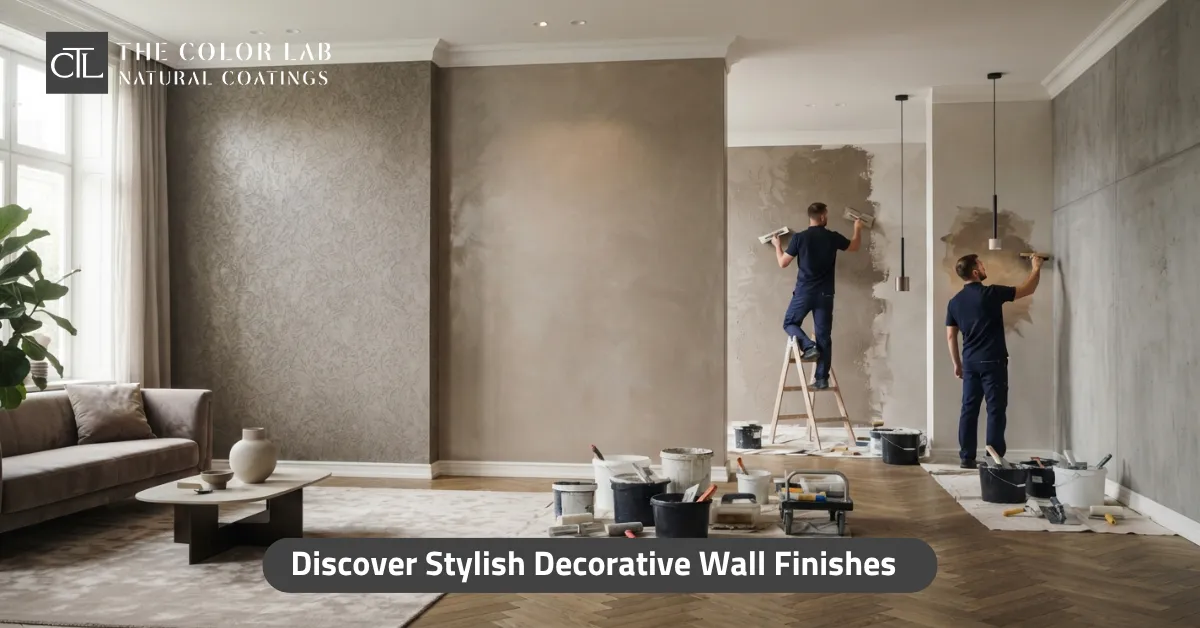
Decorative Wall Finishes: Luxury Textures and Finishes for Modern Interiors
A wall should never feel like an afterthought.
In a refined interior, the right surface can influence the entire atmosphere, bringing together:
- Texture: that adds visual and tactile interest.
- Depth: that gives flat surfaces more character.
- Light reflection: that changes throughout the day.
- Colour variation: that feels richer than standard paint.
- Materiality: that connects the wall with the wider design.
- Customization: that makes the finish truly project-specific.
This is where decorative wall finishes become more than a surface treatment. They can turn an ordinary wall into a defining architectural feature.
At The Color Lab, surface design is approached as part of the overall interior concept. The goal is simple: create finishes that look considered, feel premium, and complement the character of each project.
What Are Decorative Wall Finishes?
Decorative wall finishes are specialist surface treatments designed to enhance the appearance and character of interior walls.
Unlike conventional paint, which mainly provides colour and coverage, specialty finishes can introduce:
- Texture and dimension.
- Soft or dramatic colour variation.
- Polished or matte effects.
- Mineral and handcrafted character.
- Metallic or pearlescent reflections.
- Concrete, stone, marble, or other visual effects.
The category includes decorative wall coatings, interior wall finishes, and a wide selection of wall finishing materials suited to different architectural concepts.
Ultimately, decorative wall finishes allow designers to treat the wall as part of the architecture, not simply as a background.
Why Choose Decorative Wall Finishes for Luxury Interiors?
Luxury interiors are defined by details.
Walls, in particular, can influence whether a space feels flat and ordinary or layered, sophisticated, and memorable.
The right decorative wall finishes can add character without overwhelming the overall design.
Create Depth and Texture
Textured wall finishes can introduce:
- Layered patterns and subtle movement.
- Natural-looking textures.
- Light and shadow variation.
- Tactile depth.
- A handcrafted appearance.
Textured wall coatings are especially effective when used selectively on feature walls, niches, or architectural details.
Create a Distinctive Design Language
A finish should work with the entire interior rather than exist on its own.
Designers can coordinate wall surfaces with:
- Furniture and upholstery.
- Flooring and architectural details.
- Natural or artificial lighting.
- Accent colours.
- Metal, wood, stone, and glass elements.
Go Beyond Standard Paint
Standard paint can provide the colour, but specialty finishes can provide the character.
A carefully selected surface can offer:
- Greater visual depth
- Premium materiality
- Customized effects
- Subtle variations
- A more handcrafted feel
Types of Decorative Wall Finishes
There is no single finish that works for every interior. The ideal choice depends on the project’s style, lighting, architecture, and desired atmosphere.
From traditional mineral surfaces to contemporary seamless effects, the main options include:
Decorative Plaster
Decorative plaster offers designers a flexible way to create both smooth and textured surfaces.
Depending on the technique and application, it can deliver:
- Soft, refined textures.
- Stronger handcrafted effects.
- Contemporary or traditional character.
- Subtle depth and movement.
Venetian Plaster
Few luxury wall finishes have the visual character of Venetian plaster.
Its polished, marble-inspired appearance can create a sophisticated surface with depth and light reflection.
It is particularly suited to:
- Luxury residential interiors
- Hotel lobbies and suites
- Elegant reception areas
- Feature walls
- Premium hospitality spaces
Lime Plaster and Natural Wall Finishes
Lime plaster brings a softer, mineral character to interiors. Its natural appearance works beautifully with warm, organic design palettes.
Natural wall finishes can offer:
- Matte and understated surfaces.
- Organic texture.
- Mineral-inspired colour.
- A calm, tactile appearance.
- A connection with natural materials.
Clay Plaster
Clay plaster introduces an earthy, handcrafted quality that works especially well with natural and organic interiors.
Its appeal lies in its:
- Soft, earthy appearance.
- Natural material character.
- Gentle texture.
- Warm visual presence.
- Compatibility with sustainable design concepts.
For projects exploring clay plaster solutions, the final specification should always reflect the intended environment and product requirements.
Microcement Wall Finish
A microcement wall finish is a strong choice for minimalist and contemporary spaces where visual continuity matters.
Its seamless appearance can work across:
- Bathrooms.
- Hospitality interiors.
- Retail spaces.
- Residential projects.
- Selected walls and floors.
Decorative Paint Finishes
Decorative paint finishes offer more creative possibilities than a conventional flat colour.
Designers can explore:
- Matte effects.
- Soft textures.
- Semi-transparent layers.
- Colour variation.
- Feature-wall effects.
They can be particularly effective when a project needs subtle visual interest without a heavily textured surface.
Italian Decorative Paint
Italian decorative paint is often chosen when colour alone is not enough.
Its appeal comes from the relationship between craftsmanship and surface expression, allowing designers to introduce:
- Mineral-inspired effects.
- Artistic movement.
- Subtle texture.
- Sophisticated colour variation.
- Bespoke visual character.
Metallic Wall Finishes
For interiors that need a stronger statement, metallic wall finishes can introduce controlled reflection and visual drama.
Popular directions include:
- Gold.
- Silver.
- Bronze.
- Copper.
- Pearlescent effects.
Faux Finish Walls
Faux finish walls allow designers to recreate the visual character of other materials through specialist surface techniques.
Possible effects include:
- Concrete-inspired surfaces.
- Stone-inspired textures.
- Rust effects.
- Marble-inspired finishes.
- Artistic material effects.
Textured Wall Finishes vs Smooth Wall Finishes
Choosing between texture and smoothness is not simply a matter of personal preference. The decision should support the overall design concept and how the space interacts with light.
Textured Wall Finishes
Textured surfaces can bring more dimension and tactile interest to an interior.
They work especially well for:
- Feature walls.
- Reception backgrounds.
- Architectural niches.
- Spaces that benefit from stronger visual contrast.
- Interiors where lighting is used to emphasize surface movement.
Smooth Wall Finishes
Smooth surfaces offer a cleaner and more controlled appearance.
They are often suitable for:
- Minimalist interiors.
- Contemporary spaces.
- Refined luxury settings.
- Areas where polished or reflective effects are desired.
- Interiors with strong architectural lines.
Which One Is Right?
The best decorative wall finishes should respond to the project rather than follow a fixed trend.
Consider:
- Design style: minimalist, classic, industrial, or luxury.
- Lighting: natural light, spotlights, or indirect lighting.
- Furniture: whether the palette is bold or understated.
- Architecture: which features should be emphasized.
- Visual balance: whether the space needs texture or simplicity.
At The Color Lab, the finish should always support the wider design story, creating a surface that feels intentional from every angle.
How to Choose the Right Decorative Wall Finish for a Project
The most beautiful finish is not always the right one.
For architects, interior designers, and consultants, selection should balance design intent, lighting, usage, and maintenance.
Consider the Interior Style
Start with the overall character of the space.
- Minimalist: smooth, seamless, understated surfaces.
- Contemporary: microcement, concrete-inspired, or refined textured effects.
- Classic: polished plaster and elegant decorative treatments.
- Industrial: raw textures and concrete-inspired finishes.
- Luxury: Venetian plaster, metallic accents, and sophisticated layered surfaces.
- Natural: lime plaster, clay plaster, and organic textures.
The finish should feel connected to the project’s furniture, flooring, architectural details, and colour palette.
Consider Lighting
Light can completely change how a surface looks.
Pay attention to:
- Natural daylight.
- Spotlights.
- Wall washing.
- Indirect lighting.
- Direction and intensity of illumination.
This is why decorative wall finishes should be evaluated under the lighting conditions of the actual space.
Consider the Required Level of Durability
Different environments place different demands on a wall.
Think about whether the finish is intended for:
- Residential interiors.
- Hotels and hospitality.
- Retail stores.
- Offices.
- Reception areas.
- High-traffic zones.
A visually impressive finish should also be appropriate for how the space will actually be used.
Consider Maintenance
Maintenance requirements should be considered before final specification.
Look at:
- Cleanability.
- Surface protection.
- Expected traffic.
- Potential contact or wear.
- Project-specific requirements.
Think Beyond the Wall
Wall finishes rarely exist in isolation. They should work alongside the rest of the material palette, including:
- Sustainable Flooring solutions.
- Microcement flooring cost considerations.
The strongest interiors are those where every surface feels intentionally connected.
Decorative Wall Finishes for Commercial Spaces
In commercial interiors, walls need to make an impression while responding to the practical demands of the space. This makes wall finishes for commercial spaces an important part of both design and specification.
From a hotel lobby to a retail showroom, the finish can support the brand identity and create a stronger first impression.
Where Can They Be Used?
Decorative wall finishes can add character to:
- Hotels: reception areas, corridors, suites, and lounges.
- Restaurants: feature walls, dining areas, and statement backgrounds.
- Retail stores: display areas and branded walls.
- Offices: reception spaces, meeting rooms, and executive areas.
- Showrooms: product backdrops and architectural features.
- Luxury hospitality spaces: focal walls and high-impact interiors.
Design Meets Performance
A commercial finish should be selected with the environment in mind.
For example:
- A reception wall may prioritize visual impact.
- A retail display wall can reinforce brand identity.
- A busy corridor may require greater attention to maintenance and durability.
- A restaurant feature wall can use texture or colour to create atmosphere.
For businesses investing in premium interiors, finishes can also work alongside other material choices, from decorative epoxy flooring and types of resin flooring to sustainable wall materials.
How Decorative Wall Finishes Create Focal Points
Not every wall needs the same treatment. Sometimes, the strongest design statement comes from applying a distinctive finish to one carefully selected area.
Decorative wall finishes can be used to draw attention toward:
- Feature walls.
- Columns.
- Arches.
- Niches.
- Reception backgrounds.
- Fireplace walls.
- Retail display areas.
A contrasting texture, polished surface, or metallic effect can guide the eye toward an important architectural element without making the entire interior feel visually busy.
The key is balance. A statement surface should complement the surrounding materials rather than compete with them.
Custom Wall Finishes for Bespoke Interior Projects
Custom wall finishes give designers greater freedom to create surfaces that respond directly to the project’s identity.
They can include:
- Custom colours and textures.
- Metallic accents.
- Bespoke feature walls.
- Combined material effects.
- Project-specific finishes.
This makes decorative wall finishes feel more personal and cohesive, especially when coordinated with the architecture, lighting, furniture, and flooring.
Natural vs Contemporary Decorative Wall Finishes
The choice between natural and contemporary surfaces depends on the project’s design language and technical requirements.
Natural / Mineral
- Lime plaster.
- Clay plaster.
- Natural wall finishes.
- Venetian plaster.
- Limewash-inspired effects.
These options bring warmth, softness, and organic character.
Contemporary / Decorative
- Microcement.
- Metallic finishes.
- Concrete effects.
- Textured coatings.
- Faux finish walls.
These are often suited to modern, minimalist, and expressive interiors.
There is no universally better option. The right decorative wall finishes should support the project’s architecture, atmosphere, and practical needs.
What Should Architects Consider Before Specifying a Wall Finish?
Before approving a finish, architects and consultants should look beyond the sample and evaluate the full project context.
Key considerations include:
- Substrate compatibility.
- Interior environment and moisture exposure.
- Expected traffic.
- Lighting conditions.
- Desired texture and colour.
- Maintenance requirements.
- Technical documentation.
- Sample and mock-up approval.
- Compatibility with surrounding materials.
The right decorative wall finishes should look beautiful while also meeting the project’s technical and practical requirements.
Why Samples Matter When Selecting Decorative Wall Finishes
Samples help designers see how a finish will actually behave in the space.
They allow you to check:
- Colour under real lighting.
- Texture and depth.
- Surface reflections.
- Compatibility with surrounding materials.
For larger projects, a mock-up can provide additional confidence before final approval.
Decorative Wall Finishes and Luxury Interior Design
In luxury interiors, walls can become architectural elements rather than simple backgrounds.
The right finish can bring together:
- Material authenticity.
- Craftsmanship.
- Surface depth.
- Bespoke design.
- Lighting and colour.
- Furniture and architectural details.
From luxury residences to hospitality and premium commercial spaces, decorative wall finishes add another layer of refinement, helping every surface feel intentional and connected.
Choosing a Specialist for Decorative Wall Finishes
For premium projects, the specialist behind the finish matters as much as the material itself.
Look for:
- Proven material expertise.
- Technical knowledge.
- Sample support.
- Attention to detail.
- Bespoke execution.
- Strong coordination with architects and consultants.
At The Color Lab, specialist finishes are approached with the project’s design vision, materials, and execution requirements in mind.
Transform Your Walls With Decorative Wall Finishes
Planning a residential, hospitality, retail, or commercial project?
Let your walls become part of the design story.
Explore The Color Lab’s premium finishes and discuss your project with our team to find the right texture, colour, and surface effect for your space.
Best Paint for Interior Walls: 7 Expert Selection Tips - TCL
[…] or low-sheen finishes create a sophisticated backdrop, while decorative wall finishes can add depth without strong […]