


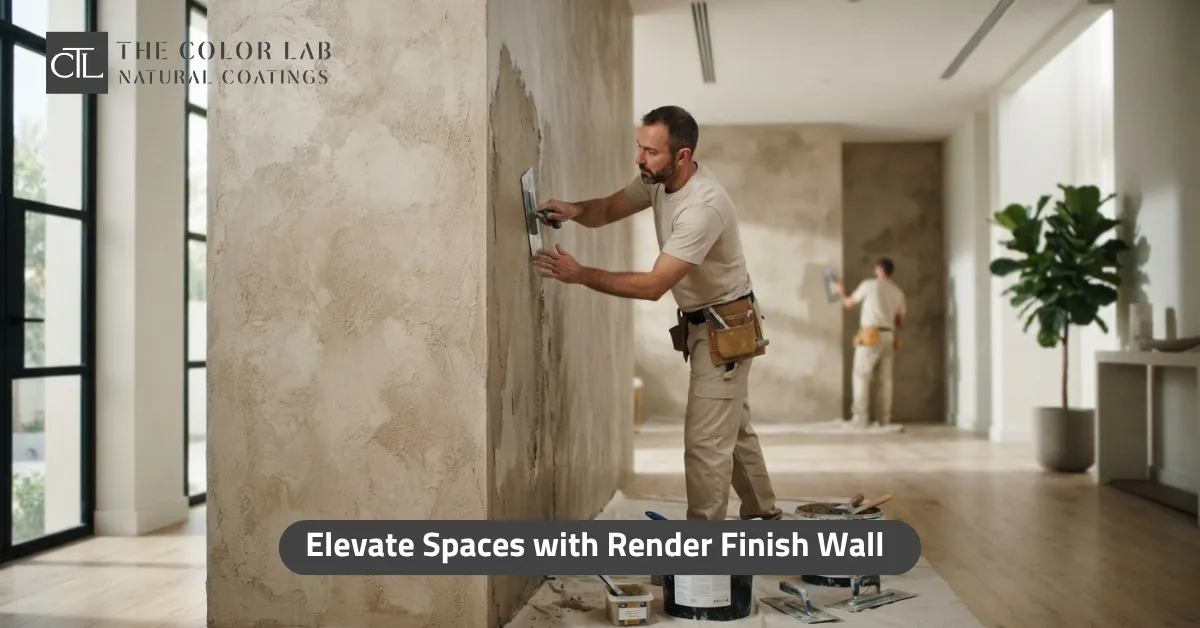
Render Finish Wall: A Guide to Textures, Materials & Modern Wall Finishes
A render finish wall can turn an ordinary surface into a defining architectural detail.
Today, render goes beyond a basic protective coating. Material, texture, colour, and application technique can create surfaces that feel:
- Refined and minimalist.
- Natural and tactile.
- Bold and contemporary.
- Soft and handcrafted.
From luxury villas to hospitality interiors and commercial spaces, the right render wall finish can shape how light, texture, and surrounding materials come together.
What Is a Render Wall Finish?
A rendered wall finish is created by applying a render system over a suitable substrate. The material forms the base, while the application technique determines the final appearance.
A wall render finish can be:
- Smooth and understated.
- Fine and lightly textured.
- Rough and tactile.
- Handcrafted or decorative.
Material composition, aggregate, colour, and technique all influence the result. That is why wall finishing materials should be selected as part of the wider design concept.
A decorative wall finish also needs to suit the substrate, environment, maintenance requirements, and intended application.
Types of Render Materials for Wall Finishes
Different render materials create different visual qualities and performance characteristics.
Cement Render
Cement render is a practical choice when strength and durability matter. It can produce smooth or textured surfaces and can be refined through colour and finishing techniques.
Lime Render
Lime render brings a softer, natural character to architectural surfaces. Its breathable quality and subtle variation make it suitable for traditional, heritage, and contemporary spaces.
Clay Render
Clay render is valued for its earthy appearance and tactile quality. It works especially well where designers want warmth, natural variation, and an organic material palette.
It can introduce:
- Soft earthy tones.
- Subtle texture.
- A handcrafted character.
For premium interiors, clay plaster solutions can offer a distinctive alternative to conventional painted walls.
Other Render Systems
Acrylic, silicone, mineral, and cement-free render systems can offer different combinations of flexibility, texture, and performance. The right system should support the substrate, environment, appearance, and long-term requirements.
Popular Render Finish Wall Textures
Texture can change the personality of an architectural surface, even when the underlying material remains similar.
Smooth Render Finish
A smooth render finish creates a clean, continuous surface with minimal visual noise. It suits contemporary villas, minimalist interiors, premium offices, and modern hospitality spaces.
Rough Render Finish
A rough render finish introduces stronger texture and expressive character. It can suit rustic interiors and exterior feature walls, while its deeper texture creates interesting light and shadow.
Textured Render Walls
Textured render walls offer visual depth through grain size, directional application, layering, and hand-finishing. They are particularly effective when the wall itself is intended to become a feature.
Decorative Render Finish
A decorative render finish allows more customised expressions through layered textures, colour variation, handcrafted effects, and bespoke patterns.
Stone Effect Render
Stone-effect render can suggest stone blocks, granite-like surfaces, or terrazzo-inspired textures without relying entirely on solid stone cladding. It works well on feature walls and selected façade areas.
Interior Render Finish vs Exterior Render Finish
An interior render finish is usually selected for texture, colour, and tactile quality.
An exterior render finish must also respond to weather and exposure.
Interior Render Finish
Render can become part of the material palette in villas, hotels, restaurants, lounges, and premium retail spaces.
It can sit alongside interior finishing materials, timber, stone, metal, and flooring without creating unnecessary visual noise. In a luxury interior, texture can add depth without relying on conventional paint alone.
Exterior Render Finish
An exterior render finish should be assessed for:
- Heat and UV exposure.
- Moisture and humidity.
- Substrate compatibility.
- Durability.
- Cleaning and maintenance.
Appearance matters, but the system must also perform as part of the building envelope.
How to Choose the Right Render Finish Wall
Choosing the right render finish wall starts with the project rather than the product.
Consider the Architectural Style
- Minimalist: smooth render finish.
- Contemporary: refined textured or decorative render.
- Rustic: rough render finish.
- Natural: clay or lime render.
- Statement architecture: bespoke decorative render.
Consider the Wall Substrate
Compatible surfaces can include brick, concrete, blockwork, existing rendered surfaces, and previously painted walls. Correct compatibility supports adhesion, performance, and long-term appearance.
Consider Climate and Exposure
For exterior work, consider heat, UV exposure, humidity, moisture, coastal conditions, and long-term weathering.
Consider Maintenance
Think about cleaning, dirt accumulation, moisture, algae or mold, and any future repainting or resealing.
Consider the Desired Texture
Smooth, fine, medium, rough, and hand-crafted textures can create very different visual personalities.
Modern Wall Finishes Using Render
Render is no longer limited to conventional wall surfaces. Today, it can become a defining part of the architectural language.
Modern wall finishes can explore:
- Minimalist textured walls.
- Concrete-effect surfaces.
- Stone-effect textures.
- Metallic effects.
- Linear and combed patterns.
- Layered textures.
- Bespoke feature walls.
The finish can also be coordinated with concrete flooring types, timber, stone, and other materials to create contrast without losing visual balance.
For commercial spaces, these decisions are best considered alongside the wider work of a commercial fit out company, particularly when wall finishes need to coordinate with lighting, flooring, ceilings, and joinery.
Natural Wall Finishes for Luxury Interiors
Natural wall finishes bring warmth and material depth to refined interiors.
Clay render and lime render can create softer surfaces with an earthy, handcrafted character. They are especially effective when the design calls for natural tones rather than highly uniform painted walls.
For projects focused on material authenticity, clay plaster solutions can provide another expressive option, while sustainable wall materials can support a more conscious material palette.
The key is balance. Natural finishes should complement the architecture rather than compete with it.
Render Finish Wall for Residential, Hospitality & Commercial Projects
A well-specified render finish wall can adapt to different project types.
Luxury Residential Interiors
In villas and high-end homes, render can enhance:
- Living rooms.
- Dining spaces.
- Entrance areas.
- Bedrooms.
- Feature walls.
It can work alongside best flooring for homes and carefully selected interior painting to create a cohesive material palette.
Hospitality Interiors
Hotels, restaurants, lounges, and reception areas can use textured surfaces to create memorable guest experiences.
Commercial & Retail Spaces
Showrooms, offices, and premium retail environments can use bespoke textures to reinforce a brand’s identity while coordinating with the wider fitout company scope.
Common Mistakes When Choosing a Render Finish
A beautiful finish can still be the wrong choice if the practical details are overlooked.
Avoid:
- Ignoring substrate compatibility.
- Choosing based only on appearance.
- Underestimating climate and maintenance.
- Using low-quality materials.
- Overlooking lighting conditions.
The right finish should balance aesthetics, performance, and the long-term needs of the project.
Why Professional Render Finish Specification Matters
A premium render finish wall is not defined by texture alone.
The final result depends on how well the material, substrate, colour, lighting, and application method work together.
For architects, designers, and consultants, professional specification helps ensure that every decision supports the original concept.
A strong specification should consider:
- Material and substrate compatibility.
- Finish samples and mock-ups.
- Texture and colour consistency.
- Lighting conditions.
- Application requirements.
- Long-term maintenance.
One Finish, One Cohesive Design
Wall finishes rarely exist on their own.
They need to work alongside flooring, ceilings, lighting, furniture, and architectural details.
For example, a textured render finish wall can create a striking contrast against smooth surfaces, while natural finishes can complement timber, stone, and other sustainable flooring solutions.
The same coordination applies when projects include durable flooring options, specialist resin systems, or exterior wall insulation. Each specification should contribute to one coherent material palette rather than competing for attention.
Why Samples Matter
A finish can look completely different on a specification sheet than it does on an actual wall.
Texture, colour, and light interact differently depending on the space. This makes samples and mock-ups especially valuable before full application.
For a luxury villa, a subtle render finish wall may create warmth without overwhelming the interiors. In hospitality or retail, a more expressive surface can become a memorable architectural feature.
The Color Lab Approach
At The Color Lab, finish selection is approached as part of the wider design strategy.
The goal is not simply to choose an attractive surface. It is to create a render finish wall that feels intentional, performs appropriately, and works naturally with the surrounding finishes.
From material selection and sampling to texture coordination, every detail contributes to the final result.
For projects where quality and visual consistency matter, professional specification can make the difference between a wall that simply looks finished and one that feels genuinely designed.
Specify Your Render Finish Wall With The Color Lab
For a distinctive render finish wall, The Color Lab can help architects, designers, and consultants select premium textures and surface finishes suited to their architectural vision.
Discuss your project with our team and explore a finish that brings material character, performance, and refined design together.