


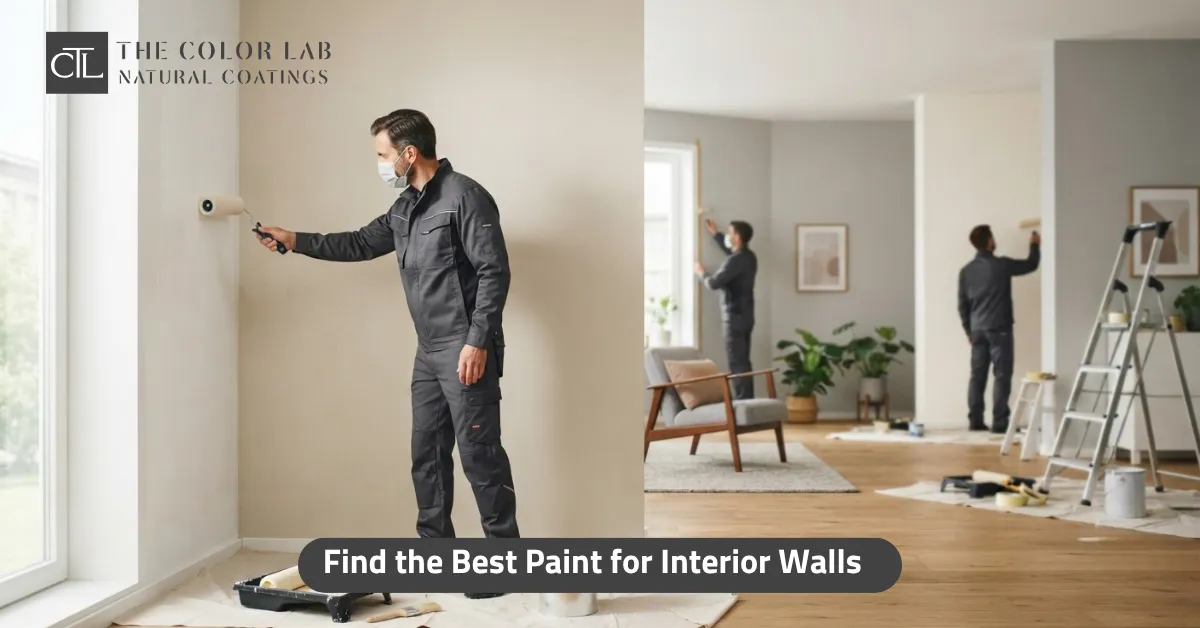
Best Paint for Interior Walls: How to Choose the Right Finish
The best paint for interior walls should do more than add colour. It should complement the architecture, support the design concept and perform within the space.
A living room, bedroom, hotel lobby or commercial interior may require a different balance of durability, washability, sheen and colour.
For architects and interior designers, choosing the best interior wall paint means looking beyond the colour chart. Lighting, surface condition, surrounding materials and maintenance all influence the result.
At The Color Lab, every wall finish is considered as part of the interior, from subtle matte surfaces to distinctive decorative finishes.
What Makes the Best Interior Wall Paint?
The best interior wall paint should balance visual appeal with the practical demands of the space. Consider:
- Durability: Match resistance to daily use.
- Washability: Important for busy homes and commercial areas.
- Finish: It affects light, colour and texture.
- Coverage: Consistent coverage supports a refined surface.
- Colour: Coordinate with flooring, furniture and architectural materials.
- VOC content: Relevant when lower-emission materials are specified.
- Surface compatibility: Suit the substrate and preparation system.
- Maintenance: Consider cleaning and long-term upkeep.
Interior Wall Paint Types: Which One Is Right?
There is no single formula for every project. Performance depends on the actual formulation and conditions of use.
Water-Based Interior Paint
A practical choice for residential and commercial applications, with modern formulations suited to residential and commercial interiors.
Acrylic Interior Paint
Often selected for durability, colour retention and washability. Verify performance through the product specification.
Mineral & Natural Interior Paints
Mineral-based formulations can bring natural visual character where material authenticity is part of the design direction.
Decorative Interior Paint
Textured and mineral finishes can introduce depth and personality where uniform colour is not enough.
Best Paint Finish for Interior Walls
The best paint for interior walls starts with the finish, which affects light reflection, colour depth, maintenance and mood.
Best Matte Paint for Walls
The best matte paint for walls offers a soft, sophisticated appearance with minimal reflection. It suits calm interiors and can make minor imperfections less noticeable when the substrate is properly prepared.
Consider matte wall paint for:
- Bedrooms and living spaces.
- Luxury residential interiors.
- Feature areas.
- Walls where low reflection is preferred.
Best Satin Paint for Interior Walls
The best satin paint for interior walls provides higher sheen and more light reflection than matte. It can suit areas where easier cleaning is a priority.
Often suitable for:
- Kitchens
- High-use residential areas.
- Selected commercial spaces.
- Interiors needing appearance and cleanability.
Matte Wall Paint vs Satin Wall Paint
The best paint for interior walls depends on the project priorities:
- Matte: Softer appearance, lower reflection and an understated luxury feel.
- Satin: More reflective and often easier to clean.
- Either: Assess the product, wall condition and lighting.
The interior paint finish should support design intent and daily use.
Best Paint for Living Room Walls
For many living rooms, the best paint for living room walls combines elegance with enough durability for everyday use.
Consider:
- Natural light and changing daylight.
- Furniture, wood, stone and metal.
- Flooring tones and colour temperature.
- Feature walls.
- Washability for busy homes.
Matte or low-sheen finishes create a sophisticated backdrop, while decorative wall finishes can add depth without strong colour.
Best Paint for Bedroom Walls
The best paint for bedroom walls is usually selected for atmosphere.
A softer finish can reduce reflection, while low VOC options may suit projects with lower-emission requirements.
For bedrooms, consider:
- Matte or low-sheen surfaces.
- Soft neutrals and earthy tones.
- Low VOC formulations.
- Natural decorative paints.
- Colours suited to warm lighting.
Best Washable Wall Paint for High-Traffic Areas
Busy interiors need more than a beautiful surface. Hallways, offices, hospitality spaces and reception areas face frequent contact, marks and cleaning.
The best washable wall paint should match the project’s cleaning and abrasion requirements.
Washable Interior Wall Paint
Washable interior wall paint can be useful for:
- Hallways and corridors.
- Children’s rooms.
- Kitchens.
- Offices and reception areas.
- Hospitality and retail.
Check technical data for scrub resistance, stain resistance and recommended cleaning methods rather than relying on “washable” alone.
Best Durable Interior Paint
The best durable interior paint is not the same for every project. High-use commercial spaces may require stronger abrasion resistance than bedrooms.
Evaluate a durable wall finish by:
- Expected traffic.
- Cleaning frequency.
- Surface exposure.
- Maintenance cycles.
- Long-term appearance
For professional projects, The Color Lab considers performance alongside design intent. The best paint for interior walls can also coordinate with commercial floor solutions, durable flooring options and other interior finishing materials.
Best Low VOC Wall Paint for Interior Projects
For architects, designers and consultants, material performance is part of the specification. Low-emission coatings may be considered when required by the brief.
The best low VOC wall paint should be assessed through verified product information.
Look at:
- Actual VOC content.
- Product formulation.
- Certifications.
- Technical data sheets.
- Intended application.
Low VOC paint can be relevant where reducing coating emissions is a project consideration.
Best Eco-Friendly Interior Paint
Environmental performance involves more than VOC levels. Consider:
- Raw materials.
- Manufacturing processes.
- Packaging.
- Product durability.
- Expected maintenance.
- Product lifecycle.
- Environmental certifications.
A product that lasts well and performs as specified can also contribute to a more considered material strategy.
Choosing Interior Wall Color Paint
Colour is where technical specification meets creative direction.
The best paint for interior walls can look different under varying lighting and materials.
Before selecting interior wall color paint, consider:
- Natural daylight and room orientation.
- Artificial lighting.
- Ceiling height.
- Flooring and furniture.
- Colour temperature.
- Accent walls.
- Adjacent materials.
Neutral Interior Wall Colours
Warm whites, beige, greige, soft grey and earthy tones create a versatile foundation for stone, timber and textured surfaces.
Bold Interior Wall Colours
Deep colours can define feature walls, hospitality spaces, retail environments and branded interiors. Proportion matters.
Always test colour within the material palette. Samples can reveal differences that screens cannot.
Best Paint for Interior Walls by Room
Different spaces call for different priorities:
- Living room: Matte or low-sheen, refined appearance and moderate washability.
- Bedroom: Matte finish, soft colours and low VOC options.
- Hallway: Washable and durable finish.
- Kitchen: Washable, moisture-appropriate coating.
- Children’s room: Washable, durable and low VOC options.
- Hotel lobby: Durable finish with decorative potential.
- Retail: Durable surface with a brand-focused colour direction.
- Office: Professional appearance with practical maintenance requirements.
Best Paint for Luxury Interior Design
In luxury interiors, the best interior paint is not always a conventional uniform coating. For luxury projects, the best paint for interior walls may need greater depth, texture and material character.
A premium wall specification can include:
- Decorative and mineral finishes.
- Bespoke colour.
- Clay and lime-based surfaces.
- Hand-finished textures.
- Tonal variation.
- Material coordination
The Color Lab goes beyond standard paint selection. Its own manufacturing facility produces clay plaster and lime plaster for projects requiring authentic, tactile surfaces.
These materials can sit naturally alongside rammed earth Saudi Arabia concepts, natural stone and sustainable wall materials.
Paint Finish vs Decorative Wall Finish
A conventional finish can suit briefs calling for clean, consistent colour and straightforward maintenance.
Conventional paint:
- Uniform colour.
- Practical maintenance.
- Broad colour options.
- Clean appearance.
Decorative finish:
- Texture and tonal movement.
- Greater material character.
- Bespoke effects.
- Feature-wall potential.
The decision should follow the desired experience, not perceived price or prestige.
Interior finishing materials should work with flooring, joinery, stone and lighting. The same principle applies when coordinating a render finish wall with best flooring suppliers and top fit out contractors.
How The Color Lab Approaches Interior Finishes
The Color Lab brings paint, decorative finishes and material expertise together for architects, interior designers and project teams.
The best paint for interior walls should be considered alongside substrate preparation, colour, finish and surrounding materials.
For larger developments, coordination may involve a commercial fit out company, specialist fitout company or wider fit-out team.
From concrete flooring types and epoxy flooring companies in Saudi Arabia to best flooring for homes and exterior wall insulation, every surface should have a clear role.
How to Select the Best Paint for Interior Walls
Choosing the best paint for interior walls starts with understanding the project, not the colour chart.
A Simple Specification Framework
- Define the space
Residential, hospitality, retail, office or high-traffic environment.
- Define performance
Consider washability, durability, moisture exposure and VOC requirements.
- Select the finish
Choose between matte, satin or a specified decorative finish based on the design intent.
- Test the colour
Always assess samples with the actual lighting, flooring, furniture and architectural materials.
- Approve the final surface
For premium projects, full-size mock-ups can help confirm colour, texture and sheen before application.
The best paint for interior walls should be tested under real project conditions rather than selected from a small sample alone.
Why Professional Paint Specification Matters
For architects and interior designers, the best paint for interior walls is part of a wider material strategy.
The Color Lab can support projects through:
- Product and finish selection.
- Colour coordination.
- Material samples.
- Substrate assessment.
- Technical specification.
- Mock-ups and quality control.
- Fit-out coordination.
The best paint for interior walls should work with the substrate, lighting and surrounding finishes. It should also complement decorative wall finishes, flooring and other architectural surfaces.
For projects where wall performance and design need to work together, The Color Lab offers a more considered approach to interior painting and decorative specification.
Find the Right Interior Wall Finish for Your Project
The best paint for interior walls is ultimately the one that answers the project’s visual and technical requirements.
Whether you need refined matte surfaces, durable commercial coatings, clay plaster, lime plaster or bespoke decorative finishes, The Color Lab can help develop the right material direction.
The right finish does more than complete a wall. The best paint for interior walls should help complete the space.
Explore Interior Paint Finishes | Request Material Samples | Discuss Your Project | Talk to Our Finishes Team