


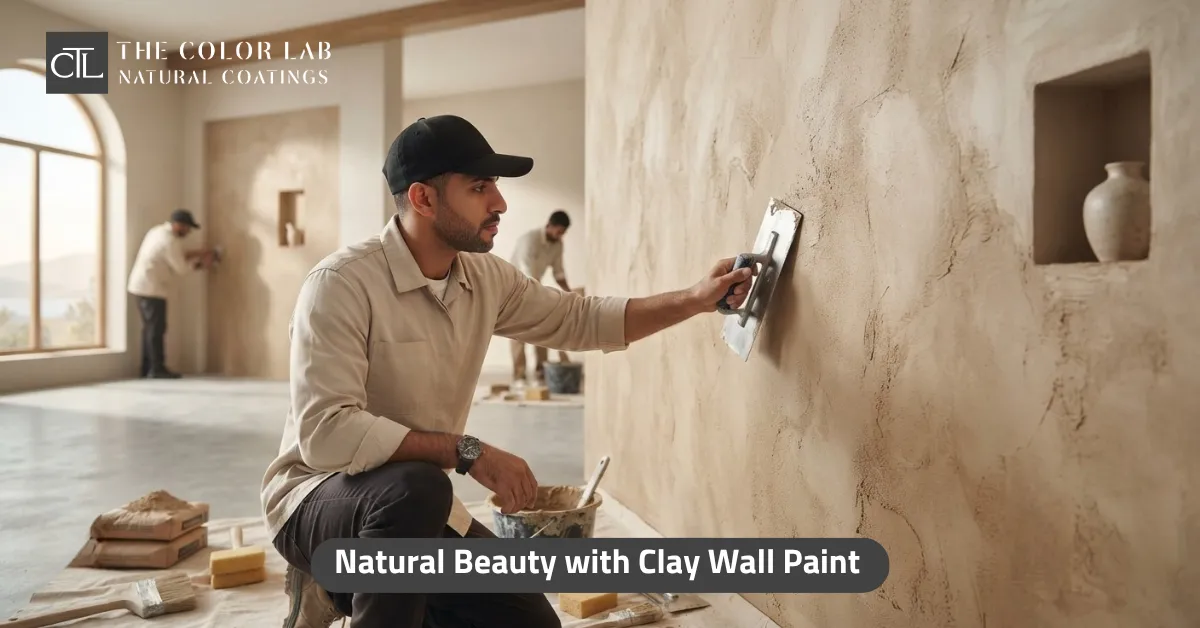
Clay Wall Paint: Natural, Breathable & Sustainable Wall Finishes
A wall can be more than a coloured surface. It can add warmth, texture and character to an interior.
Clay wall paint brings a soft, natural quality that conventional flat finishes may not achieve. Its subtle tonal variation and matte appearance can create depth while keeping the overall design refined and understated.
For architects and interior designers, clay paint for walls offers a way to introduce natural material character into contemporary spaces. It works particularly well with stone, timber, microcement, terrazzo and other carefully selected finishes.
At The Color Lab, the emphasis is on decorative surfaces that become part of the architecture, not simply a final coat of colour.
What Is Clay Wall Paint?
Clay wall paint is a decorative interior coating made with clay and other mineral-based ingredients.
Its exact composition varies by product, but the combination can create a softer, more naturally varied surface than many conventional acrylic or emulsion coatings.
A clay-based wall paint may be specified according to:
- Clay and mineral content.
- Pigment and binder composition.
- VOC performance.
- Surface compatibility.
- Application method.
- Desired texture and appearance.
Unlike conventional wall paint, which is often selected primarily for colour, clay mineral paint can contribute both colour and surface character.
Clay Paint vs Clay Plaster
Although they can share similar earthy aesthetics, clay paint and natural clay plaster are different finish systems.
Clay paint is generally a thinner decorative coating, offering colour with subtle texture and tonal movement. Clay plaster creates a more substantial material layer, allowing for greater surface depth and a stronger tactile effect.
The right choice depends on the design intent, substrate and required finish. Where a lighter decorative coating is preferred, clay paint can be appropriate.
Where stronger texture and material depth are required, clay plaster solutions may offer a more substantial alternative.
Both finishes can sit naturally within a wider material palette, alongside carefully selected interior finishing materials.
Why Choose Clay Paint for Interior Walls?
The appeal of clay wall paint goes beyond its natural appearance.
For designers, it offers a combination of visual softness, material character and finish flexibility that can suit carefully curated interiors.
Natural Appearance
A natural wall paint can bring warmth without making a space feel overly decorated. Clay-based finishes are known for their soft matte appearance and gentle tonal variation.
Earth-inspired colours can complement:
- Natural stone.
- Timber.
- Microcement.
- Terrazzo.
- Metal details.
- Neutral furnishings.
This makes clay interior wall paint particularly useful when the wall needs to support the architecture rather than compete with it.
Breathable Wall Paint
Breathability is another consideration when specifying a breathable wall paint.
A vapour-permeable coating can allow water vapour to move through the finish under suitable conditions. However, performance depends on the complete wall system, including the substrate, preparation and product formulation.
Clay should not automatically be treated as a guarantee of breathability.
Technical specifications should always be checked for the selected product and application system.
Low-VOC Clay Paint
VOC content is an important consideration for interior specifications.
A low-VOC clay paint may be preferred where designers want to consider indoor air quality alongside material aesthetics.
However, “low-VOC” and “zero-VOC” are not interchangeable claims. The actual formulation matters.
Before specification, review:
- VOC content.
- Product formulation.
- Application requirements.
- Technical data sheets.
- Applicable environmental documentation.
Non-Toxic Wall Paint
The phrase non-toxic wall paint should also be approached carefully. Not every clay-based product has the same ingredients or performance profile.
Many clay-based coatings can be formulated without some solvents and additives found in conventional coatings, but the individual product specification should always be reviewed before making a performance or health-related claim.
For professional projects, transparency is more valuable than broad promises.
Clay Paint vs Conventional Interior Wall Paint
The choice depends on the space, substrate and desired finish.
Clay wall paint offers:
- Soft, matte appearance.
- Subtle texture and tonal variation.
- Natural, mineral-inspired character.
Conventional wall paint typically creates a smoother, more uniform surface.
Performance also varies by formulation, so VOC content, breathability and durability should always be checked in the product specifications.
Natural Clay Wall Paint for Modern Interiors
Natural clay wall paint can bring warmth and material character to modern interiors without overwhelming the architectural concept.
It works particularly well in:
- Luxury villas.
- Boutique hotels.
- High-end residences.
- Restaurants.
- Wellness spaces.
- Premium retail.
- Contemporary offices.
- Feature walls.
Its understated finish can complement stone, timber, microcement, terrazzo and metal, allowing the wall to become part of a wider material palette.
For designers, clay paint for interior walls is especially effective when colour, texture and lighting are considered together. The result feels layered, refined and connected to the materials around it.
Clay Wall Finishes: Textures, Colours & Effects
The beauty of clay wall finishes lies in their ability to create more than a flat block of colour.
Depending on the formulation and application technique, the surface can have movement, depth and a distinctly handcrafted feel.
Decorative Clay Paint
Decorative clay paint can transform a simple wall into an architectural focal point.
It can be used for:
- Feature walls.
- Hand-finished surfaces.
- Tonal variation.
- Layered visual effects.
- Statement architectural areas.
The finish becomes particularly striking when paired with thoughtful lighting and complementary materials.
Textured Clay Wall Paint
A textured clay wall paint can introduce subtle surface movement through brushwork, layering or trowel application.
Fine texture can interact beautifully with natural and directional light, creating changing levels of depth throughout the day.
Depending on the selected product, finishes may range from softly textured to more visibly layered effects.
Earth-Toned Wall Paint
Earth-toned wall paint creates a warm and grounded palette that works naturally with contemporary materials.
Popular directions include:
- Soft sand.
- Beige.
- Warm grey.
- Terracotta.
- Ochre.
- Soft brown.
- Muted neutrals.
These tones can sit beautifully beside natural stone, timber and neutral furnishings without competing for attention.
Clay Paint Finishes
The final appearance depends on both the product and application system. Options may include:
- Soft matte.
- Fine texture.
- Layered effects.
- Burnished or polished effects, where suitable.
- Custom decorative finishes.
This flexibility allows designers to specify a surface that feels intentional, rather than simply selecting a colour from a standard paint chart.
Clay Paint for Interior Walls: Where Does It Work Best?
Clay paint for interior walls can adapt to different design concepts, from quiet residential spaces to carefully curated commercial interiors.
Living Rooms & Reception Areas
In living rooms and reception spaces, it can create elegant feature walls that respond beautifully to soft or directional lighting. Its matte character also works well against timber, stone and bespoke furniture.
Bedrooms
Muted colours and soft clay wall paint finishes can create a calm visual atmosphere. The understated surface works particularly well where the design calls for warmth without excessive decoration.
Hospitality Interiors
Hotels, restaurants, boutique hospitality and wellness spaces can use clay finishes to create a distinctive material identity. The surface becomes part of the overall experience rather than simply a background colour.
Retail & Commercial Spaces
In premium offices, showrooms and reception areas, clay wall paint can support a refined brand environment while maintaining a natural architectural feel.
Material choices should also be coordinated across the wider project.
From concrete flooring types and durable flooring options to interior painting, every surface contributes to the final visual language.
Clay Paint vs Natural Clay Plaster
Clay paint is generally a thinner decorative coating, while natural clay plaster creates greater texture and surface depth.
Choose clay paint when you want:
- Subtle colour and texture.
- A refined matte appearance.
- A lighter decorative coating.
Choose plaster when the design calls for:
- More pronounced texture.
- Greater surface depth.
- A stronger tactile effect.
The Color Lab also develops clay plaster solutions alongside its decorative finish expertise, giving designers more options when a project requires a deeper material expression.
How to Choose the Right Clay-Based Wall Paint
Start with the existing substrate. Plaster, gypsum board and previously painted surfaces may require different preparation.
Then consider:
- Smooth or textured?
- Uniform or tonal?
- Matte or decorative?
- How will natural and artificial light affect the finish?
- What level of maintenance is required?
Technical data should confirm compatibility, VOC content, breathability, coverage and durability.
These decisions become even more important when finishes are coordinated with sustainable wall materials, sustainable Flooring solutions and other architectural specifications.
Sustainable Wall Finishes & Eco-Friendly Wall Paint
A responsible specification looks beyond a product’s main ingredient.
An eco-friendly wall paint should be considered through its formulation, VOC content, sourcing, durability, packaging and available environmental documentation.
The same principle applies across a complete project. Whether reviewing types of resin flooring, exterior wall insulation or other interior materials, performance and lifecycle should guide the decision.
The Color Lab’s approach is rooted in material quality and thoughtful specification. Its Riyadh manufacturing facility produces both clay plaster and lime plaster, supporting projects that call for natural, refined and carefully considered surface finishes.
How Clay Wall Paint Creates a Luxury Interior
In a luxury interior, clay wall painting works best as part of a complete material palette.
It can complement microcement, terrazzo, natural stone, timber, metal, bespoke furniture and architectural lighting.
The same attention to material coordination applies when working with a commercial fit out company, top fit out contractors or a specialist fitout company.
Common Mistakes When Choosing Clay Wall Paint
Avoid choosing colour without sampling, ignoring the substrate or assuming every formulation performs the same.
Lighting, maintenance and technical data also matter.
A sample on the actual wall can reveal how clay wall painting changes under daylight and artificial lighting before final specification.
Is Clay Wall Paint Suitable for Every Interior?
It can suit bedrooms, living areas, feature walls, hospitality and decorative spaces. However, high-moisture, wet or heavy-impact areas require product-specific consideration.
Why Professional Material Specification Matters
Professional specification brings together the substrate, colour, finish, lighting and surrounding materials. It should also coordinate with epoxy flooring companies in Saudi Arabia, epoxy flooring Riyadh, and specialists considering the best flooring for homes or wider commercial applications.
Explore Clay Wall Finishes for Your Project
Looking for a natural finish with depth and character? Explore clay wall paint and natural decorative paint solutions with The Color Lab.
Our team helps architects, designers and consultants select finishes that bring the complete concept together.
Request Material Samples | Discuss Your Project | Talk to Our Finishes Team.
Wall Finishing Materials | Luxury Finishes | The Color Lab - TCL
[…] carefully selected clay wall paint can also introduce subtle colour while keeping the surface visually soft and […]